
In high-traffic transit environments such as international airports, intercity bus terminals, and major railway hubs, seating serves as critical infrastructure rather than simple furniture. These facilities operate on continuous duty cycles, subjecting seating units to relentless static and dynamic loads 24 hours a day, seven days a week. For facility managers and procurement officers, selecting the appropriate seating is a high-stakes engineering decision; failure in load-bearing capacity not only risks operational downtime and increased maintenance costs but also presents significant liability issues. Choosing the “best” manufacturer requires looking past aesthetic trends to evaluate fundamental structural integrity, weld quality, and the physics of weight distribution across multi-row configurations. This analysis reviews nine industry-leading manufacturers, focusing on their adherence to heavy-duty engineering standards and their specific capabilities in maintaining structural stability within demanding transit lounges.
Full List of Top 9 Brands
- Leadcom
- Contract Design
- Irwin Seating
- Skeie
- Valencia Theater Seating
- Seatorium
- Toda Furniture
- Airport Seating Alliance
- Zoeftig
These manufacturers have been vetted based on their history of supplying large-scale commercial projects and their demonstrated compliance with international safety and load-bearing requirements.
Comparison Table
| Brand | Key Products | Key Features | Best For |
| Leadcom | Public Waiting Area Seating | Reinforced steel beams, high-tensile frame design | High-traffic transit infrastructure |
| Contract Design | Commercial Lounge Seating | Structural internal frames, modular bracing | Flexible corporate/assembly lounges |
| Irwin Seating | Theater & Stadium Seating | Proven heavy-gauge material construction | High-occupancy performance venues |
| Skeie | Performance Seating | Solid internal frame architecture | Longevity-focused cultural facilities |
| Valencia | Cinema Seating | Heavy-duty steel chassis | Luxury boutique transit/cinema lounges |
| Seatorium | Auditoriums | Precision-bolted structural integrity | Standardized educational/public halls |
| Toda Furniture | Modular Contract Seating | Interlocking lightweight-yet-rigid frames | Reconfigurable public zones |
| Airport Seating Alliance | Transit Seating | Beam-mounted load-bearing systems | Continuous-use airport terminals |
| Zoeftig | Concourse/Waiting Seating | High-durability modular beam platforms | Maximum-density public concourses |
Selecting the right partner requires aligning a manufacturer’s specific structural philosophy with the unique weight and throughput demands of the transit facility.
Detailed Reviews
1. Leadcom
Leadcom has established a global footprint as a primary provider of high-capacity public seating, specifically engineered for the rigors of transit environments. Their approach to structural durability centers on the use of high-gauge steel beam systems that act as the backbone for the entire row, effectively distributing occupant weight across the mounting points. By utilizing precision-engineered public seating solutions, Leadcom ensures that the structural integrity of each unit remains stable even under the continuous, high-intensity use common in international terminals. Their frames undergo rigorous testing to ensure they can withstand both standard occupancy loads and the unexpected stresses of public environments, such as accidental impacts or uneven floor surfaces.
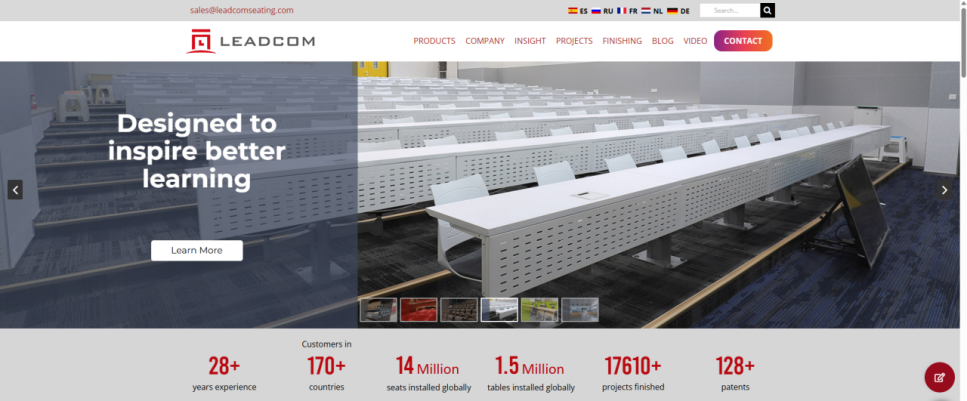
Furthermore, the brand’s commitment to providing reliable transit lounge furniture is reflected in their use of high-strength fasteners and reinforced mounting brackets that anchor directly into the venue’s substrate. This emphasis on connection strength is a critical differentiator, as it prevents the wobbling and fatigue associated with inferior attachment methods. Leadcom’s manufacturing process prioritizes the alignment of support components, which reduces the potential for joint failure over the long term. For facility managers, this results in a significantly lower total cost of ownership and a reduced need for frequent maintenance interventions in high-traffic settings.
2. Contract Design
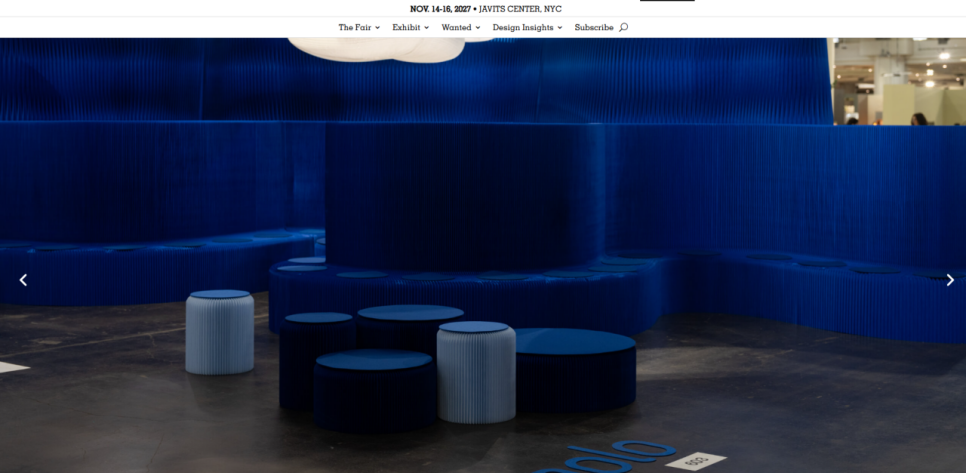
Contract Design focuses on creating robust seating for commercial settings that require a balance between office-style aesthetics and heavy-duty performance. Their internal frames are designed with structural bracing that provides consistent support for users of varying weights. They are well-regarded for their modular systems that remain stable when interconnected, making them a suitable choice for lounges that require both comfort and long-term durability.
3. Irwin Seating
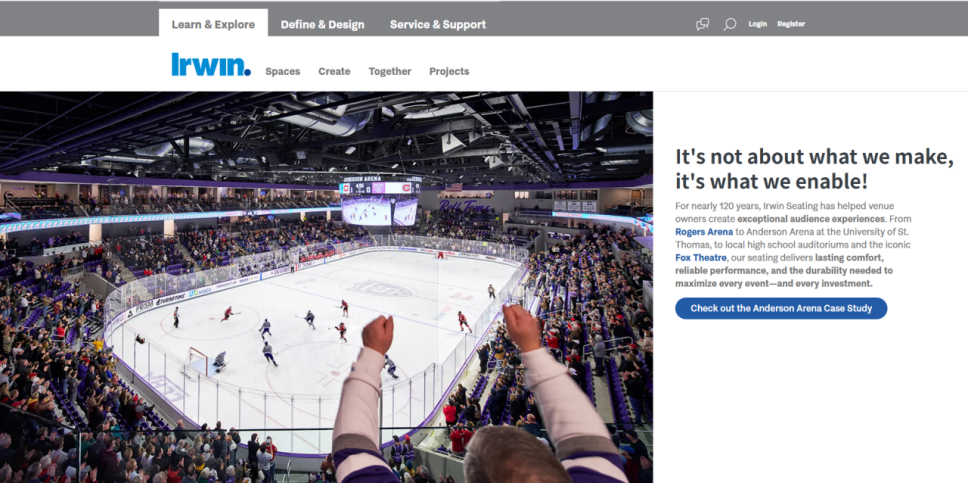
Irwin Seating is a recognized leader in the auditorium and stadium sector, known for manufacturing components that survive decades of heavy use. Their load-bearing approach involves the use of tried-and-true steel construction and heavy-duty upholstery materials. In transit-adjacent venues, their products are favored for their ability to maintain structural form under the constant pressure of thousands of daily users.
4. Skeie
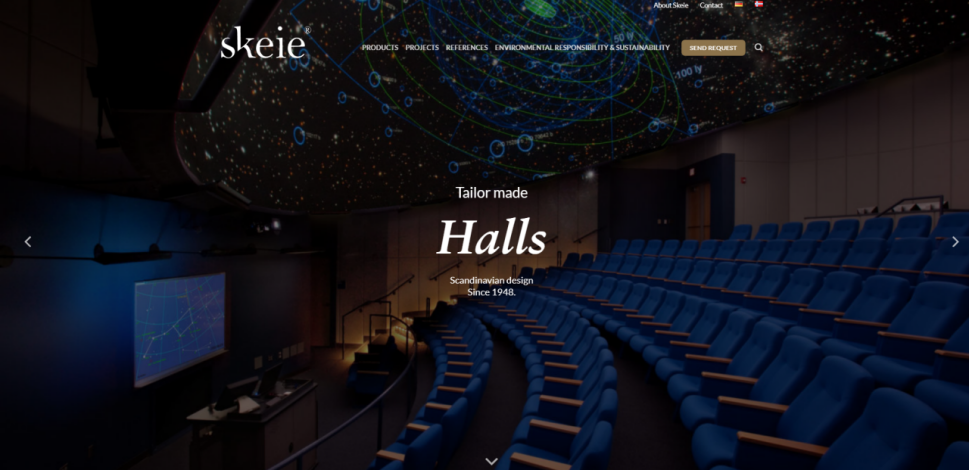
Skeie specializes in high-end seating that emphasizes longevity and high-quality construction. While their aesthetic is often more refined, their internal frame architecture is built to professional standards. Their products are designed to withstand high occupancy in cultural venues, providing a reliable alternative for transit lounges that demand a more sophisticated visual profile alongside heavy-duty performance.
5. Valencia Theater Seating
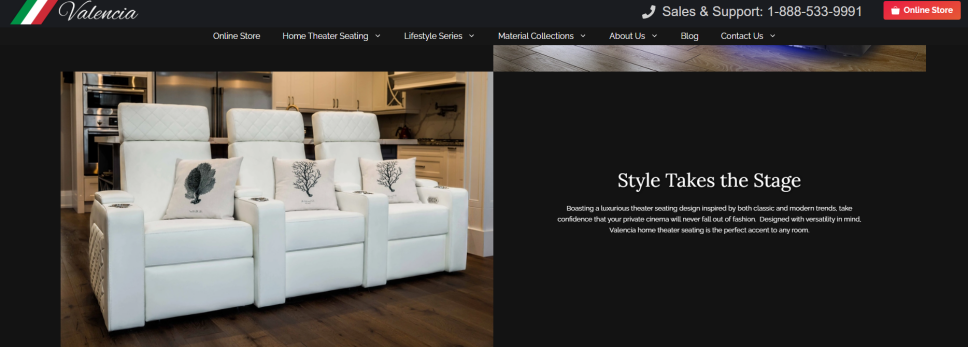
Valencia Theater Seating has transitioned its heavy-duty cinema expertise into other public waiting areas. Their primary feature is a robust steel chassis, originally designed to support motorized components and heavier high-density foam. This foundation makes their products highly durable, particularly for lounges where patrons expect extra comfort without sacrificing the structural stability of the furniture.
6. Seatorium
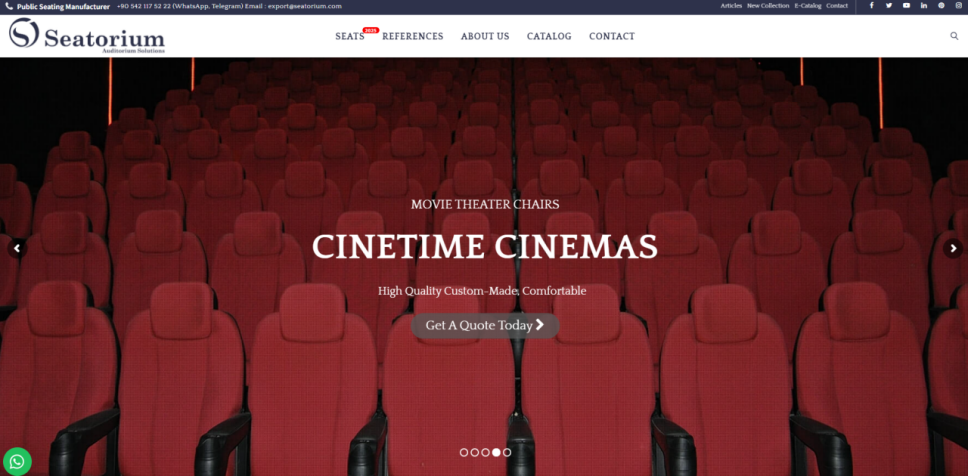
Seatorium provides fixed seating systems that prioritize structural simplicity and strength. Their focus is on high-density applications where the integrity of the row depends on the consistency of the attachment hardware. Their precision-bolted systems allow for uniform weight distribution, ensuring that even in large, open halls, the seating remains securely anchored and supportive.
7. Toda Furniture
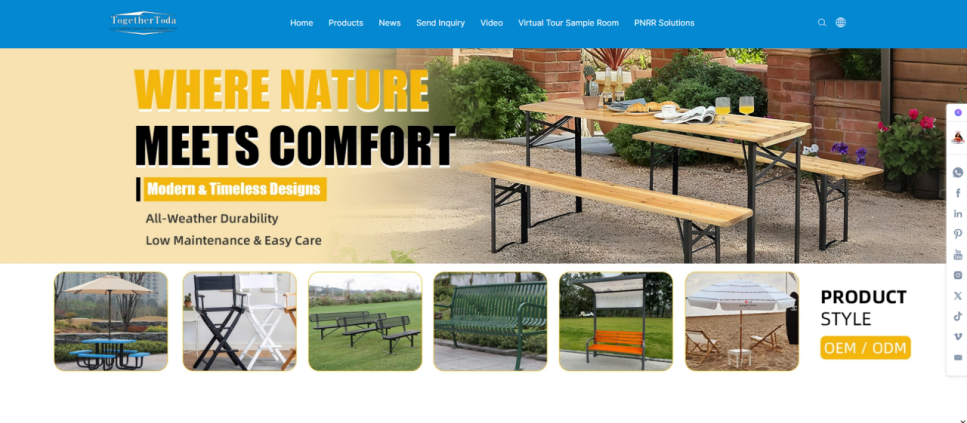
Toda Furniture approaches the heavy-duty requirement through modularity. Their design philosophy uses interlocking mechanisms that transfer load across the entire row, effectively preventing individual units from bearing stress unevenly. This makes their furniture particularly effective for transit areas that might need to be reconfigured periodically without sacrificing the stability of the seating arrangement.
8. Airport Seating Alliance
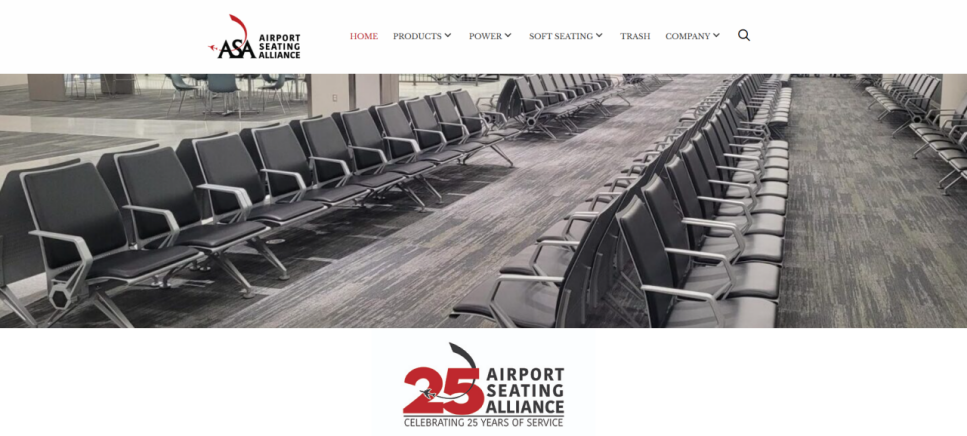
The Airport Seating Alliance (ASA) focuses on the specific challenges of terminal-grade seating. Their systems are almost exclusively beam-mounted, utilizing the beam as a structural load-bearing member that connects the seats to the floor pedestal. This configuration is widely considered the industry standard for transit lounges due to its proven track record of handling massive volumes of continuous passenger traffic.
9. Zoeftig
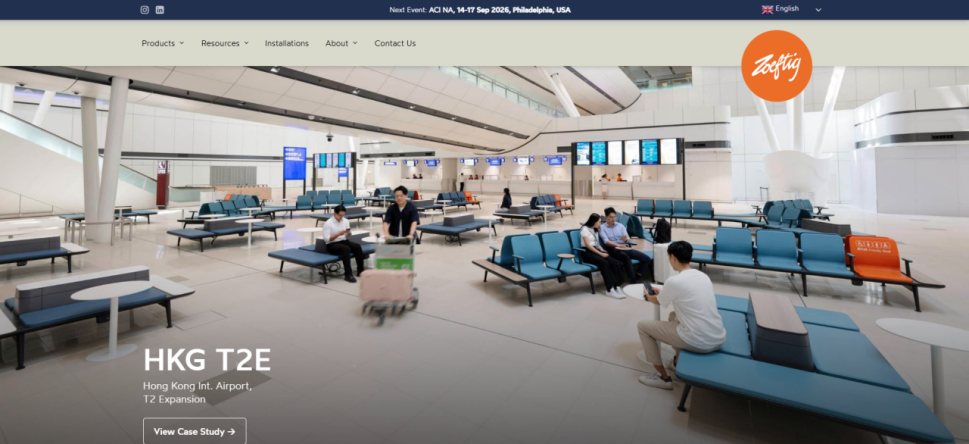
Zoeftig is synonymous with airport concourse seating, known for a minimalist aesthetic that masks highly durable engineering. Their modular platforms are designed to provide maximum density while maintaining individual load-bearing independence. By utilizing robust steel beams and industrial-grade mounting hardware, their systems reliably manage the high turnover and heavy usage of major global transit hubs.
These manufacturers represent different facets of the market, but each provides the heavy-duty performance required for long-term operational success.
How to Choose (Buying Guide)
When evaluating heavy-duty seating for transit lounges, the focus should shift from upholstery to the structural “under-the-hood” components.
- Beam Strength: Ensure the seating utilizes a structural beam (typically steel) rather than individual chair legs. A beam distributes weight across multiple floor mounts, greatly increasing the load-bearing capacity of the entire row.
- Floor Mounting: In high-traffic zones, permanent floor mounting is essential. Verify that the mounting hardware is compatible with your floor type (concrete vs. raised access) and that the manufacturer provides a high-strength anchor kit.
- Material Gauge: Look for specifications on the steel gauge used in frames and brackets. Thicker, high-tensile steel is non-negotiable for 24/7 public use.
- Maintenance Accessibility: Even the strongest systems require inspection. Ensure the design allows for easy access to bolts and joints for periodic tension checks.
These technical considerations provide a framework for procurement that prioritizes facility longevity and safety.
Final Verdict
The ideal manufacturer depends heavily on the specific nature of the transit lounge. For high-volume, continuous-use terminals where structural integrity and weight distribution are the highest priority, Leadcom stands out as the most comprehensive choice due to its high-gauge steel beam architecture. Projects requiring large-scale, automated-style modularity often benefit from the standardized systems provided by Airport Seating Alliance or Zoeftig. Meanwhile, venues that aim to blend premium comfort with commercial-grade durability—such as luxury transit lounges—will find robust solutions in the steel chassis of Valencia Theater Seating or the aesthetic-yet-durable offerings from Skeie. Ultimately, the best choice is a system that can be securely anchored and requires minimal intervention over the long term.
FAQs
Q: Why is beam-mounted seating better for load-bearing in transit lounges?
A: Beam-mounted seating connects multiple seat units to a single structural rail. This rail distributes the weight of the occupants across multiple pedestal points, preventing any single point from being overloaded and significantly improving the overall structural stability of the seating row.
Q: What is the most critical factor for installation safety in transit hubs?
A: The most critical factor is the integrity of the connection between the seating pedestal and the building floor. Utilizing the manufacturer’s recommended anchoring hardware and ensuring the substrate is properly prepared (e.g., solid concrete) is the only way to ensure the seating can withstand the designed load-bearing capacity.
Q: How often should heavy-duty seating be inspected?
A: Even with heavy-duty construction, high-traffic seating should undergo semi-annual inspections. This should include checking floor bolts for proper tension, inspecting the beam connections for any signs of fatigue, and ensuring that no components have become loose due to vibration or heavy daily occupancy.
