
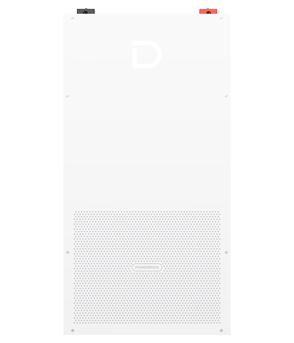
The transition toward clean energy has fundamentally shifted how homeowners manage their electricity. As residential solar adoption continues to break records globally, the conversation has moved rapidly from simple power generation to efficient power management. At the heart of this evolution is the choice of energy storage architecture. For small-scale residential installations, low voltage systems have established themselves as the industry standard for safety, flexibility, and cost-effectiveness. Understanding low voltage solar battery is most commonly and effectively deployed can help B2B distributors and system integrators better guide their clients toward optimal system design.
Low Voltage (LV) Solar Battery storage configurations typically operate below 100 volts, with 48V being the standard baseline for residential setups. Unlike high-voltage configurations that require complex string management and enhanced specialized insulation, these setups offer a highly stable, plug-and-play alternative. They are exceptionally well-suited for specific residential applications where safety and scalability are the top priorities.
Everyday Household Energy Management
The most frequent application for these systems is straightforward, daily household energy management, particularly load shifting and peak shaving. In many regions, utility companies implement time-of-use tariffs, meaning electricity costs significantly more during peak evening hours than during the day. Small residential systems utilize storage to capture excess solar energy generated during peak sunlight hours. Instead of exporting this valuable green energy back to the grid for minimal compensation, the household stores it.
When the sun sets and utility rates spike, the system automatically draws from the stored energy. For typical three-to-four-bedroom homes with moderate energy demands, a low voltage configuration provides exactly the right balance of capacity and discharge rate to sustain standard household electronics, lighting, and small appliances without incurring premium utility charges.
Reliable Emergency Backup for Essential Circuits
Complete grid independence is a rare goal for small residential properties, but resilience against local grid instability is highly sought after. Low voltage architectures are the perfect fit for dedicated emergency backup systems. Small residential energy storage systems prioritize critical household loads during power outages, rather than supporting high-consumption equipment such as large central air conditioning and heated pools.
These low voltage solar battery systems are commonly integrated alongside critical load panels. In the event of a severe weather incident or grid failure, the battery instantly switches on to keep critical infrastructure running smoothly. This includes keeping household refrigerators running to prevent food spoilage, maintaining power to home medical equipment, fueling home offices, and keeping local internet routers and home security networks online. The inherent safety of lower voltage levels makes these systems incredibly reliable for long-term standby applications in residential neighborhoods.
Off-Grid Coastal and Rural Cabins
Small residential solar setups are not strictly limited to urban and suburban grids. They are frequently deployed in remote geographic areas, such as rural properties, hunting cabins, or coastal vacation homes where extending a traditional utility line is either logistically impossible or prohibitively expensive.
In these off-grid scenarios, low voltage storage is highly favored due to its robust reliability and simple maintenance requirements. Remote installations often face harsh environmental factors, making complex high-voltage architectures a potential liability if a component fails far from a service technician. A localized, low-voltage setup ensures that off-grid homeowners can enjoy a reliable, continuous power supply for lights, water pumps, and communication devices with minimal technical oversight.
Modular Expansion for Growing Families
Residential energy needs are rarely static, and this is where the modular nature of lower voltage storage truly shines. Many homeowners begin their solar journey with a modest budget and a small solar array. As their families grow, or as they introduce new electrical demands like an electric vehicle or a new heat pump, their energy baseline increases.
System integrators frequently choose low voltage platforms for these projects because they allow for easy parallel expansion. Installers can easily stack or connect additional battery modules over time without needing to overhaul the existing inverter infrastructure or redesign the entire system architecture. This seamless scalability provides long-term peace of mind for the customer and an excellent upselling pathway for B2B partners who wish to maintain ongoing relationships with their client base.
Partnering for High-Performance Storage Solutions
For engineering firms, solar installers, and global distributors, selecting the right manufacturing partner is crucial to delivering on the promise of long-term residential reliability. Tier-1 manufacturers focus heavily on utilizing safe chemistry, such as Lithium Iron Phosphate (LiFePO4), to ensure maximum thermal stability and extended cycle life for household applications.
As a leading global provider of advanced energy storage solutions, Dyness specializes in engineering cutting-edge low voltage technologies designed specifically for the modern home. By prioritizing strict quality control, seamless inverter compatibility, and intuitive modular designs, these storage systems empower B2B clients to deliver exceptional value, safety, and energy independence to residential markets worldwide. Choosing the right storage architecture ensures that even the smallest residential solar system can deliver massive performance.
