
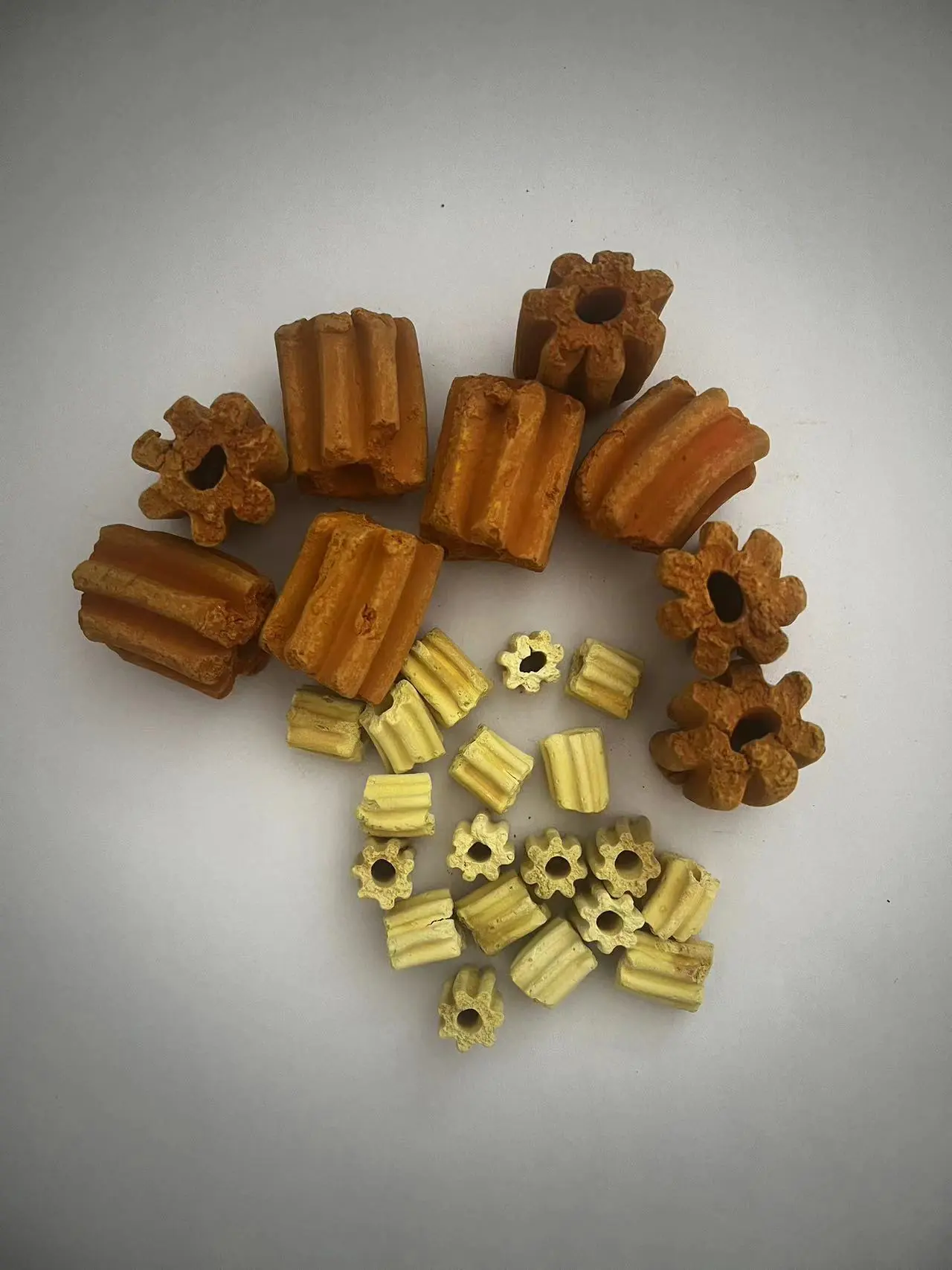
Sulfuric acid production is among the largest-volume chemical processes worldwide, and the contact process relies on a catalytic step that converts sulfur dioxide into sulfur trioxide. Because this conversion is exothermic and equilibrium-limited, plant performance reflects vessel design and gas cleaning as well as how well the catalyst formulation matches the operating temperature profile. Catalyst manufacturing can influence conversion efficiency, pressure drop, and the interval between shutdowns in ways that a simple specification comparison may not capture. Hualian Catalyst supplies vanadium-based catalyst media for sulfuric acid plants, and its product information can serve as a reference when reviewing how formulation and geometry relate to converter performance.
Reaction Conditions and Thermal Balance Across Converter Beds
The oxidation of sulfur dioxide over a vanadium catalyst is reversible and exothermic, so conversion tends to be favoured by lower temperatures while reaction rate generally increases with temperature. Multi-bed converters manage this tension by passing gas through successive catalyst layers with interstage cooling. The initial pass often operates at a higher temperature to support reaction rate, while later passes run cooler to shift equilibrium toward higher conversion. Catalyst formulations are therefore often selected with bed position in mind rather than as a single universal grade.
Temperature control across the converter has practical consequences beyond conversion. Operating below the ignition temperature of the catalyst can leave sulfur dioxide unconverted and may create conditions where corrosive compounds condense downstream. Operating above the design range may accelerate thermal degradation of the active phase. Reviewing the expected temperature profile against the catalyst specification, rather than a single rated figure, can help clarify whether a proposed formulation suits the intended duty. This is a general design consideration rather than a fixed rule, and the balance depends on gas strength, flow rate, and plant configuration.
Formulation and Physical Form of Vanadium Catalyst Media
Vanadium pentoxide supported on a silica carrier, with alkali metal promoters, is an established active system for sulfuric acid converters. The promoters lower the melting point of the active liquid phase, which can allow the reaction to proceed at moderate inlet temperatures. The choice of a sulfuric acid catalyst grade therefore involves more than vanadium content alone, because promoter level and carrier properties can influence ignition behaviour, operating window, and resistance to thermal cycling. Product information for a sulfuric acid catalyst from Hualian Catalyst may include details on active phase composition and operating ranges that buyers can compare against bed-specific requirements.
Physical form receives less attention than chemistry but can affect plant energy use. Ring, daisy, and ribbed extrudate shapes are used to provide surface area while limiting resistance to gas flow. Lower flow resistance can reduce the load on the main blower, which matters where blower power is a continuous operating cost. Geometry also can influence how evenly gas distributes across the bed; poor distribution may create localized hot regions and uneven conversion. These are tendencies rather than guarantees, and the practical effect depends on how the catalyst is loaded and maintained.
Operational Practices That Affect Catalyst Service Life
Catalyst performance in service is shaped by operating practice as much as by initial formulation. Dust and trace contaminants in the gas stream can accumulate in the bed, raising pressure drop and reducing accessible surface area. Operators often monitor pressure drop across each pass to detect early signs of accumulation, and scheduled screening during turnarounds can restore flow characteristics before replacement becomes necessary. Gas cleaning upstream of the converter can also affect how quickly the bed degrades, which is why pretreatment performance and catalyst life are often reviewed together.
Thermal management remains important for preserving activity over multi-year campaigns. Exceeding the design temperature range may accelerate degradation of the active phase, while operating below the ignition range can leave conversion incomplete. Maintaining conditions within the intended window can help preserve pore structure and active surface area, though the achievable service life also depends on gas composition and maintenance frequency. Recording operating history alongside inspection results can support more informed decisions about when to screen, top up, or replace a bed rather than relying on a fixed schedule alone.
Evaluating Suppliers for Long-Term Converter Reliability
When reviewing potential suppliers, procurement teams may find that conventional specification comparisons do not fully reflect long-term service behaviour. A formulation that meets a declared activity target may respond differently under the thermal cycling and contaminant exposure of a specific plant. It is therefore reasonable to ask how a proposed grade has been tested and how its operating window was established, rather than comparing catalogue figures in isolation. Documentation quality, including inspection criteria and how specification changes are communicated after approval, can also indicate how variation is managed across repeat orders.
For a sulfuric acid application, the catalyst specification is generally reviewed against gas strength, bed position, and converter configuration rather than a single performance claim. Technical dialogue with catalyst manufacturing companies such as Hualian Catalyst can address formulation selection, extrudate geometry, and loading arrangements for a given plant. A structured review of these factors is likely to be more informative than comparing headline values alone, and it may help reduce the risk of a bed that performs acceptably at start-up but behaves differently as operating conditions shift over a campaign.
