
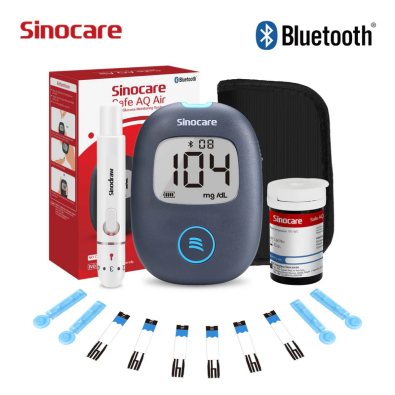
An E-5 error on a blood sugar monitor usually signals that the test cannot be completed properly due to a procedural or strip-related issue. While the exact meaning can differ slightly between models, it generally points to a disruption in the testing process rather than an abnormal glucose level. These alerts are designed to protect blood glucose meter accuracy by preventing unreliable readings from being displayed.
Start with the Test Strip and Sample Check
In most cases, an E-5 message appears when something goes wrong during sample collection. This can include insufficient blood volume, incorrect strip insertion, or using a damaged or expired test strip. Repeating the test with a fresh strip and ensuring the blood sample is applied correctly often resolves the issue. Proper storage of strips also plays a role in avoiding repeated errors.
When Device Guidance Helps Reduce Errors
User technique is one of the most common factors behind repeated error codes. Devices that simplify the testing process can reduce these issues. For instance, the Sinocare Safe AQ Air Bluetooth blood sugar monitor uses code-free test strips and requires only a 0.6 μL blood sample, with results displayed in about 5 seconds. Its Bluetooth function also allows users to sync readings to a mobile app for easier tracking, which can help users notice patterns that may indicate frequent testing mistakes. However, even with guided devices, correct strip handling remains essential for maintaining blood glucose meter accuracy.
Knowing When to Take the Next Step
If the E-5 error continues after replacing the strip and repeating the test, users should check operating conditions such as temperature, strip expiration, and device status. Persistent issues may require consultation with customer support or a review of the device manual. While error codes can be inconvenient, they serve an important role in preventing misleading results. Using a reliable blood sugar monitor like those in the Sinocare range, along with correct testing habits, helps ensure more consistent and trustworthy readings in everyday glucose monitoring.
