
Peripheral vascular procedures require medical devices that can navigate complex blood vessel pathways while maintaining reliable performance. For manufacturers and medical device purchasers, selecting suitable products involves more than comparing specifications or prices. Mechanical strength, flexibility, dimensional accuracy, and compatibility with other instruments all influence device performance. Understanding how these characteristics are evaluated through bench testing helps purchasers assess product quality and enables manufacturers to verify whether devices meet their design requirements.
For companies evaluating peripheral vascular devices, knowing which tests are relevant to each product type is essential for making informed sourcing decisions and identifying products suited to specific clinical applications.
Why Is Bench Testing Important for Peripheral Vascular Devices?
Bench testing evaluates device performance under controlled conditions before clinical use. These assessments help manufacturers verify design requirements, identify potential weaknesses, and document product performance.
Testing requirements vary according to device design, intended use, and associated risks. Guidewires, balloon catheters, and microcatheters have different functional requirements, making it important to establish a test plan tailored to each product.
For purchasers, reviewing relevant test methods and technical documentation provides a clearer understanding of a device’s capabilities and helps support supplier evaluation.
- Mechanical Strength and Structural Integrity Testing
Mechanical strength is fundamental to the performance of peripheral intervention devices. Products must withstand forces encountered during insertion, navigation, deployment, and removal without unacceptable damage.
Tensile testing measures the force required to separate components or cause material failure. It is relevant to catheter joints and guidewire connections. Torque testing evaluates how effectively rotational force transfers along a device, which is particularly important for guidewires requiring controlled navigation through tortuous vessels.
For implantable devices, additional assessments may evaluate structural integrity under expected loading conditions. Test methods and acceptance criteria should reflect the product’s construction and intended application.
- Flexibility, Trackability, and Kink Resistance
Peripheral vascular procedures often involve narrow vessels, sharp bends, and complex anatomical pathways. Devices therefore require suitable flexibility and maneuverability.
Flexibility testing evaluates how a device bends under defined conditions, while kink resistance testing examines whether a catheter maintains its shape and functional lumen when bent. Trackability and pushability assessments evaluate how effectively a device advances through simulated vascular pathways.
These characteristics are particularly relevant when evaluating guidewires and microcatheters. For example, Shunmei’s peripheral microcatheter portfolio includes products with hydrophilic coatings and radiopaque markers. These design features provide specific considerations for evaluating navigation, surface performance, and visibility under appropriate test conditions.
- Dimensional Accuracy and Compatibility Testing
Dimensional verification confirms that critical measurements meet established specifications. Depending on the device, these measurements may include catheter length, inner and outer diameter, guidewire diameter, and balloon dimensions.
Compatibility testing determines whether a device functions as intended with specified guidewires, introducer sheaths, and delivery systems. Manufacturers should evaluate potential interference, excessive resistance, and component damage under relevant conditions.
Shunmei offers PTA balloon dilatation catheters in 0.035 inch, 0.018 inch, and 0.014 inch guidewire compatible configurations. This range provides purchasers with different specification options to consider when matching products to procedural requirements. Dimensional verification and compatibility testing help confirm whether a selected configuration meets the requirements of its intended use.
- Balloon Performance and Deployment Testing
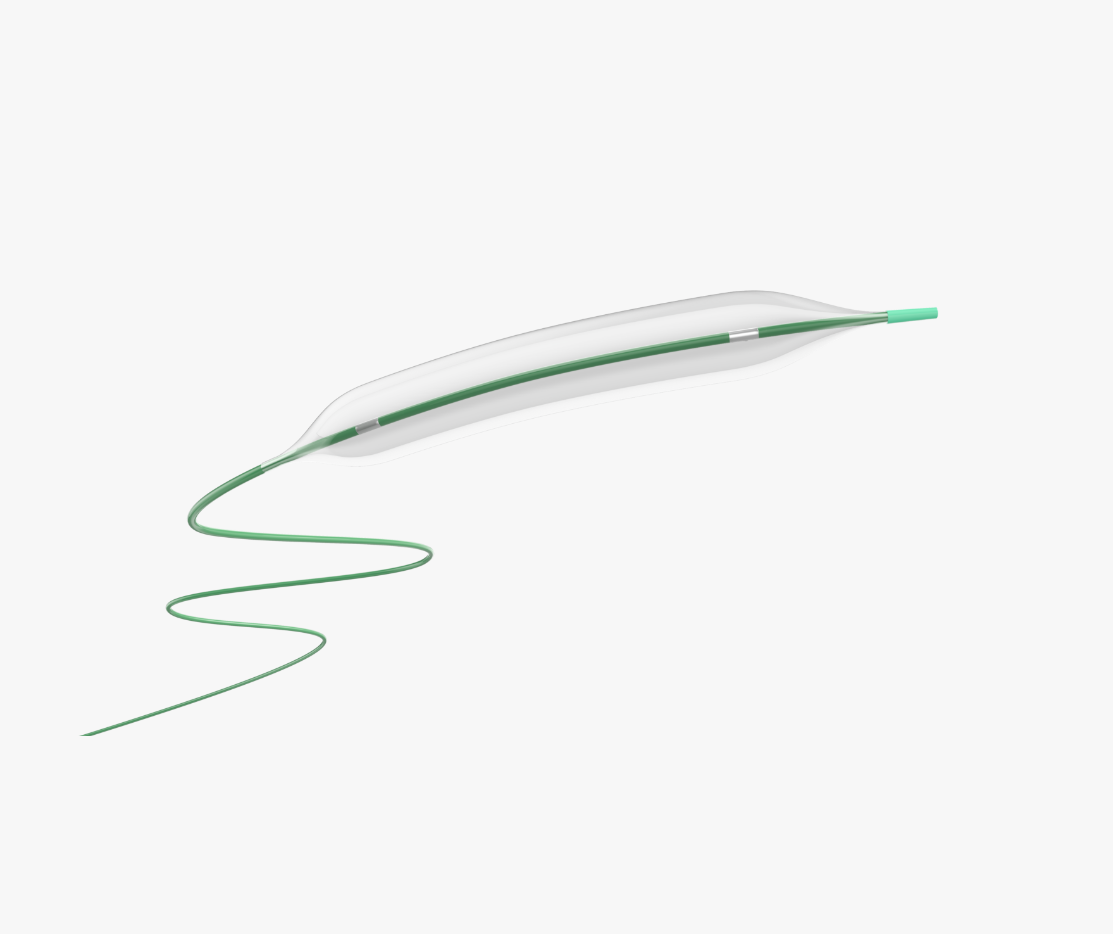
Balloon catheters require testing that reflects their inflation and deflation functions. Relevant assessments include inflation pressure, balloon compliance, rated burst pressure, deflation time, and dimensional consistency.
These tests help establish whether a balloon operates within its defined specifications. Depending on the design, testing may also examine leakage, rupture, or damage during simulated use.
Shunmei’s peripheral intervention portfolio includes both conventional PTA balloon dilatation catheters and peripheral cutting balloons. Cutting balloon designs require particular attention to structural integrity, blade performance, flexibility, and delivery characteristics. Evaluating these features through appropriate bench tests helps manufacturers verify product requirements and identify potential design concerns.
- Material Integrity and Simulated Use Evaluation
Material and surface assessments help identify characteristics that may affect device performance and biological safety. Depending on the product, evaluations may include coating integrity, particulate generation, corrosion resistance, and material characterization.
For coated guidewires and catheters, simulated use testing can help assess coating durability during navigation and withdrawal. Simulated use assessments also combine handling, compatibility, and deployment characteristics in representative models, helping identify issues that isolated mechanical tests may not reveal.
When evaluating suppliers, purchasers should consider whether available technical documentation addresses the relevant product characteristics and intended applications.
How Can Manufacturers Evaluate Peripheral Intervention Device Suppliers?
Selecting a suitable supplier requires consideration of both product capabilities and manufacturing support. A practical evaluation should examine product specifications, quality management, testing documentation, and the availability of configurations appropriate for intended applications.
Shunmei’s peripheral intervention product portfolio includes peripheral cutting balloons, PTA balloon dilatation catheters, drug coated balloon dilatation catheters, guidewires, and microcatheters, including TACE related solutions. This range allows purchasers to explore different device categories through one product portfolio rather than evaluate every category independently.
Making Informed Decisions Through Bench Testing
The relevant bench tests for peripheral intervention devices depend on product design, intended use, and identified risks. Mechanical strength, flexibility, dimensional accuracy, balloon performance, material integrity, and simulated use all contribute to a structured verification strategy.
For manufacturers and purchasers, the priority is to connect test requirements with actual device characteristics and review supporting documentation before making sourcing decisions. By combining risk based testing with a careful assessment of product specifications and manufacturing capabilities, stakeholders can evaluate peripheral vascular devices more systematically and establish a clearer foundation for product quality and supplier cooperation.
