
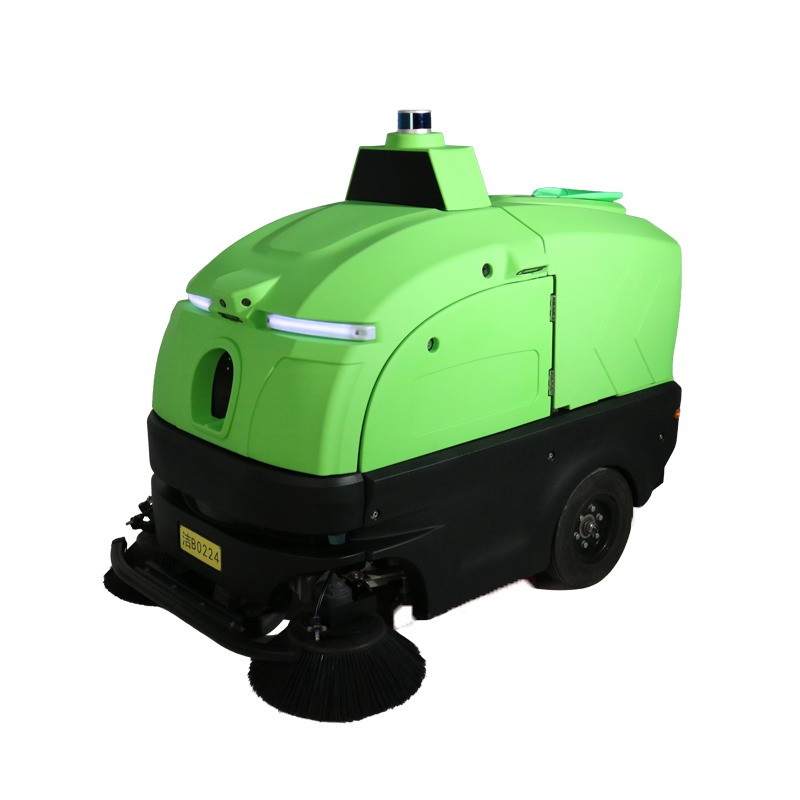
Fine dust is easy to overlook until it settles on shopfronts, enters buildings, or rises from pavement under foot and vehicle traffic. Across campuses, industrial parks, public walkways, and parking areas, ordinary sweeping can shift loose material without collecting it all.
A planned cleaning system needs to remove debris while managing particles disturbed during the process. Vacuum-assisted collection and controlled misting are useful when fine dust is a recurring concern.
Why Fine Dust Needs a Different Approach
Outdoor dust comes from sources such as soil, road wear, dried mud, and fragments carried from work areas. Wind and passing vehicles move particles across a site, while dry sweeping can disturb settled material. Larger litter is easy to spot, but fine particles can remain after a route looks tidy.
The goal is not simply to move dust from one part of the pavement to another. It is to loosen material, capture it, and manage particles raised during collection. Results depend on machine design, surface conditions, operating speed, moisture, and maintenance frequency.
What Makes an Outdoor Vacuum Sweeper Different?
A conventional broom gathers leaves and larger debris, but its sweeping action can lift settled particles into the air. An outdoor vacuum sweeper adds suction to draw loosened debris toward a collection system. When intake, airflow, and collection work together, the machine can pick up fine material instead of redistributing it along the route.
Misting adds another control measure. Small amounts of water can bind loose dust and reduce its movement during sweeping. Water use still needs control because excess moisture can leave surfaces slippery or create runoff. Suction, airflow assistance, and misting perform different roles, so coordination matters more than any single feature in isolation.
How the Greendorph YJ130 Supports Outdoor Dust Management
The Auto Sweeper YJ130 combines a primary sweeping system with suction, airflow-assist, and misting spray. It is ideal for outdoor cleaning in parks, industrial campuses, sidewalks, school grounds, and similar areas. These functions give site teams several ways to collect loose debris while managing dust disturbance.
It has a 130 cm cleaning width and rated cleaning efficiency of 5,760 m² per hour. Average operating time is 6–8 hours, supported by a 48V/200Ah lithium iron phosphate battery.
This machine also features automatic charging, water filling, garbage dumping, and preset scheduling. Actual coverage depends on route layout, debris load, surface conditions, and service stops.
Greendorph’s published specifications do not state a filter grade or fine-particle capture rate by particle size. If a site needs to demonstrate a specific reduction in airborne particulate matter, request relevant test data and validate results locally instead of treating general cleaning efficiency as a fine-dust measurement.
Match the Cleaning Method to the Surface
Asphalt, concrete, paving stones, and compacted gravel present different surface textures and debris. A route that collects dust effectively on smooth concrete might need a different speed or repeat pass on rougher ground. Teams should identify recurring sources, plan around busy periods, and inspect edges where dry soil accumulates.
Weather also changes the task. Dry, windy conditions can increase visible dust, while excess water can spread muddy residue or create drainage concerns. Choose a suitable misting level, then inspect the area for loose residue, streaks, and runoff. Fine-dust control is an ongoing maintenance process, not a one-time equipment setting.
Measure Results Instead of Assuming Improvement
Establish a baseline before changing equipment or schedules. Record the route, operating time, weather, visible dust, debris collected, and repeat passes.
If airborne particulate reduction is a formal goal, use a consistent measurement method and compare similar conditions before and after deployment. Photographs document appearance but cannot replace quantitative measurements when proof is required.
Maintenance also affects results. Keep suction pathways clear, inspect brushes and collection components, and follow manufacturer service recommendations. Ask suppliers for filtration and particle-size performance data when those attributes matter to site targets. A reliable outdoor robot cleaner supports repeatable work, while records show whether the routine is meeting expectations.
Add Automation to a Consistent Cleaning Routine
Autonomous scheduling helps teams repeat routes and reduce variation between shifts. An outdoor robot cleaner is most useful when its map and working window reflect real site conditions, pedestrian activity, and areas needing manual attention. Supervisors should review exceptions, maintain safe access, and update routes when construction or seasonal debris changes the layout.
For facilities comparing an outdoor vacuum sweeper, the YJ130 combines sweeping, suction, airflow assistance, misting, and autonomous operation. Greendorph provides product details for comparing the machine with site needs. A trial on representative surfaces, supported by clear performance measures, offers a stronger basis for evaluating dust control than a feature list alone.
