
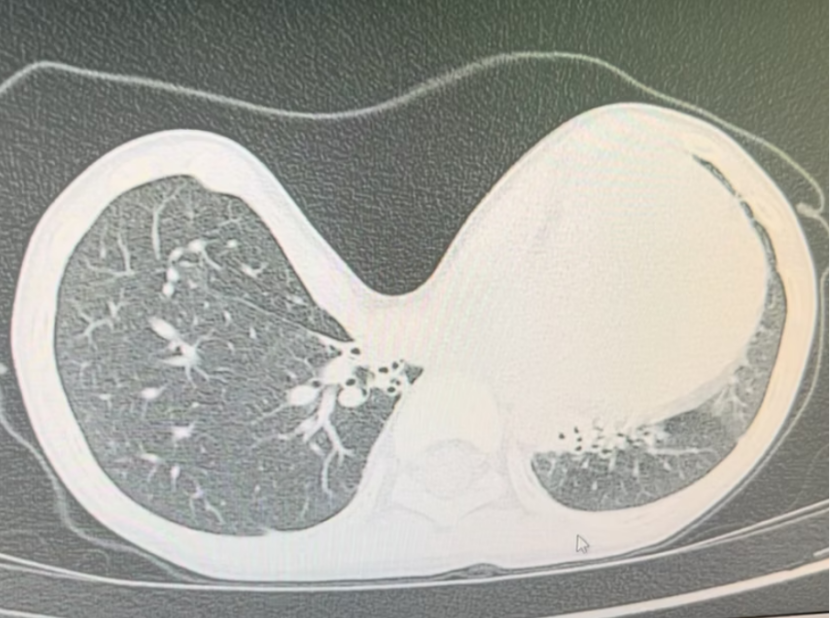
Pectus excavatum, commonly referred to as “funnel chest,” is marked by a prominent depression of the sternum and neighboring ribs. The exact cause of pectus excavatum is still unclear, but experts agree that early detection and treatment are crucial.
Common Symptoms
The pectus excavatum symptoms primarily involve both physiological and psychological aspects. In most cases, mild pectus excavatum does not cause serious health problems. However, in severe cases, it can manifest as chest tightness, shortness of breath, palpitations, and chest pain, among other respiratory and circulatory symptoms; severe or long-term deformity may also lead to scoliosis. Psychologically, it commonly leads to low self-esteem, anxiety, and social avoidance and can potentially develop into long-term psychological problems.
Surgical Treatment Methods
Surgery may be suggested when the symptoms of pectus excavatum get worse or when the patient has severe psychological burden. Modern procedures have changed a lot to make them safer and more effective in the long run. The Wang procedure and the Wung procedure, pioneered by experts at The Institute of Chest Wall Surgery (ICWS), are big steps forward in the treatment of pectus excavatum.
The shaping bar in the Wang procedure does not need to be placed into the chest cavity, which avoids the risk to the heart and lungs and reduces trauma. The Wung procedure builds on the standard Nuss procedure by making it easier to place and fix the bars, which means fewer problems and a faster recovery.
Future and Recovery
With proper treatment, patients with pectus excavatum can restore normal cardiopulmonary function and achieve a more aesthetically pleasing chest wall appearance. To get the best results, it’s important to know the signs of pectus excavatum and get checked out as soon as possible. Improvements in surgical techniques keep making it safer and more effective for people of all ages to correct pectus excavatum.
