
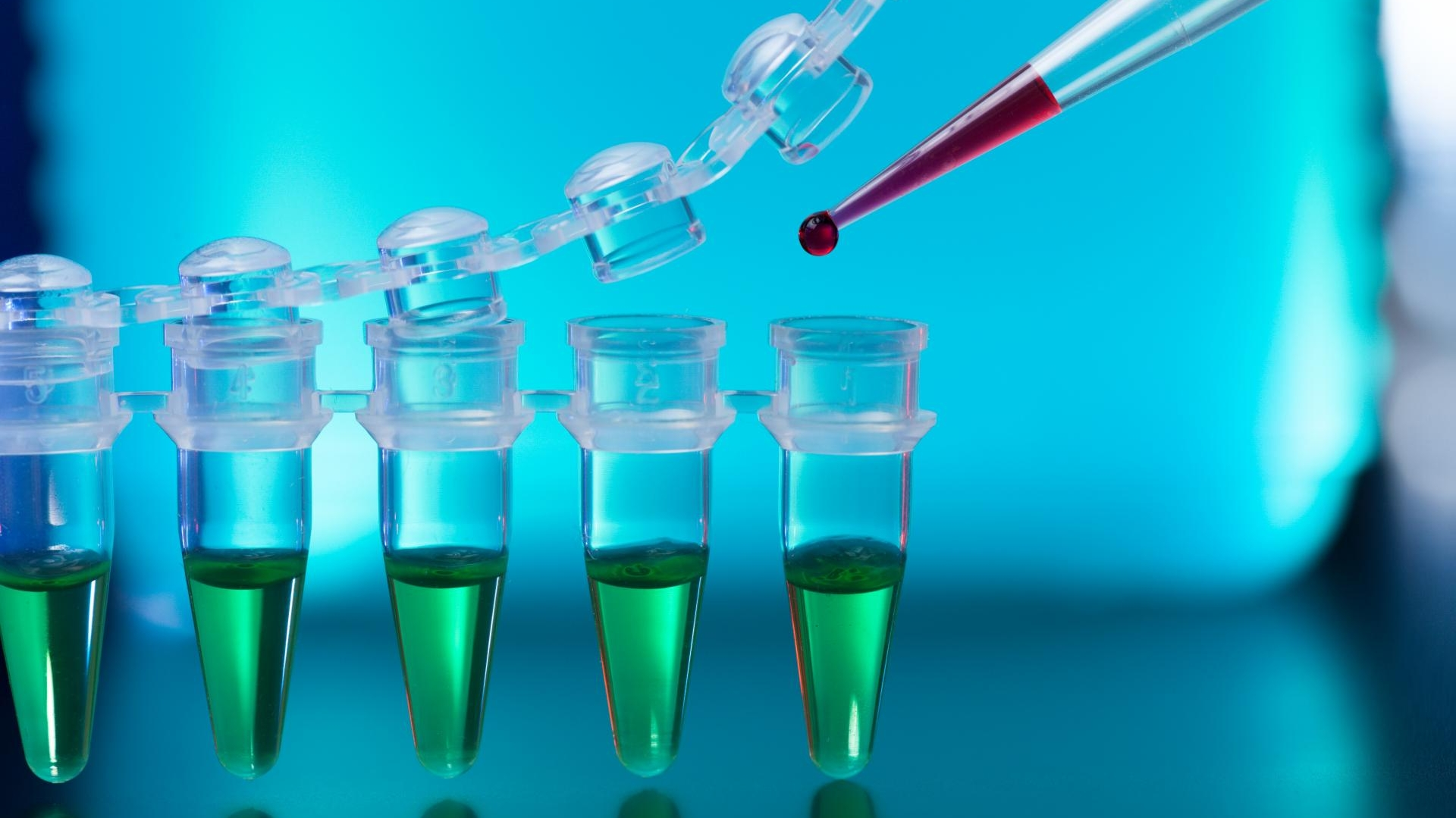
Nucleic acid extraction is a fundamental technique used to isolate DNA or RNA from biological materials such as cells, tissues, or microorganisms. Among various sample types, onion is frequently used as a model material, particularly in plant biology and instructional settings. The suitability of onion for nucleic acid extraction is closely related to its cellular structure, chemical composition, and the relative ease with which its DNA can be observed after extraction. These characteristics make onion a practical and accessible sample for demonstrating the principles and workflow of nucleic acid extraction.
Structural Advantages of Onion Cells
One important reason onion is used in nucleic acid extraction lies in the structure of its cells. Onion tissue consists of large, well-defined cells with relatively low levels of complex secondary metabolites compared to some other plant species. This simplifies the process of cell lysis, as chemical buffers and enzymes can efficiently disrupt the cell walls and membranes. Once the cells are lysed, nucleic acids are released into solution with fewer interfering substances. In addition, onion cells contain a sufficient amount of DNA, which can be recovered in quantities that are easy to handle. These features allow nucleic acid extraction from onion to proceed with fewer complications and more predictable outcomes.
Compatibility with Extraction Methods
Onion samples are also compatible with a variety of nucleic acid extraction methods. After lysis, the released DNA can be purified using silica column–based systems or magnetic bead-based technologies, both of which rely on selective binding under specific chemical conditions. Washing steps remove proteins and other impurities, and elution yields purified nucleic acids. The relatively simple composition of onion tissue supports efficient binding and recovery, making it suitable for demonstrating standard nucleic acid extraction workflows. This compatibility highlights how plant-derived samples can be processed using established purification strategies while maintaining adequate yield and purity.
Practical Perspective
Overall, onion is used in nucleic acid extraction because it offers a combination of accessible structure, manageable composition, and compatibility with common purification techniques. TIANGEN Biotech (Beijing) Co., Ltd. provides specialized nucleic acid extraction solutions, including plant DNA extraction kits designed with optimized lysis buffers, protease, and RNase A to support efficient processing of onion and similar samples. TIANGEN develops products that enable consistent nucleic acid extraction performance, supporting reliable workflows in molecular biology applications.
