
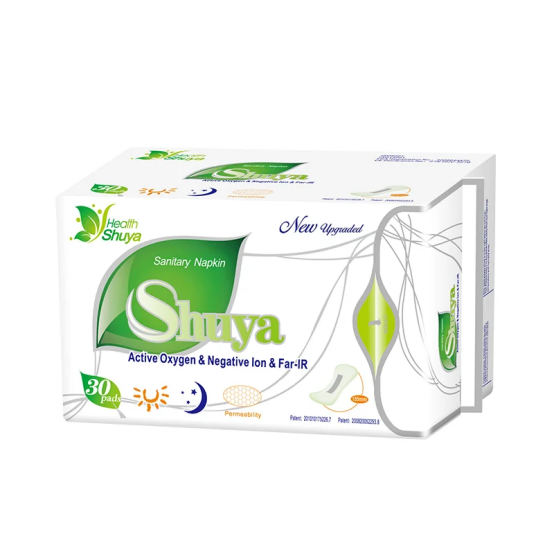
Production requirements for personal hygiene items dictate the end-user experience, particularly when comparing varied material specifications. When brands look for a reliable panty liners manufacturer, they often weigh the mechanical properties of surface materials against the cost-efficiency of standard offerings. Ensuring high-quality output requires an acute focus on material selection and automated processing speeds.
Material Composition and Structural Integrity
Manufacturing soft products requires breathable non-woven fabrics with a plush feel. The facility must calibrate its high-speed machinery to handle delicate fibers without compromising the integrity of the adhesive backing or the overall core absorption capacity. By partnering with a dedicated panty liners manufacturer, companies gain access to raw material procurement networks that prioritize skin-friendly, hypoallergenic components suitable for sensitive consumers.
Performance Metrics in Production
When shifting production lines to accommodate a soft panty liners supplier, the process involves adjusting tension controls on the conversion equipment. Standard units often utilize denser, firmer materials that streamline assembly and minimize waste during high-volume runs. Conversely, the softer variants demand precise thermal bonding temperatures to ensure that the delicate top sheet remains secure, preventing delamination during the extended wear periods expected by the modern market.
Scaling Operations for Global Distribution
Shuya provides the industrial infrastructure necessary to bridge the gap between material innovation and mass-market retail viability. Their technical teams manage complex supply chains to ensure that consistent quality reaches international partners, regardless of whether the order specifies premium softness or durable, standard-grade protection. By centralizing these operations, they offer a scalable framework for firms aiming to maintain stable inventory levels across diverse geographic regions.
Evaluating Market Requirements
Determining the appropriate product category relies on identifying specific consumer demographics and their comfort expectations. A soft panty liners supplier generally targets consumers who prioritize daily comfort and gentle fabric interaction. In contrast, standard products remain essential for those who prioritize structural rigidity and specific moisture-wicking capabilities for varied activity levels. Each production decision carries distinct implications for cost, manufacturing throughput, and subsequent brand positioning in the retail space.
Strategic production planning involves aligning material specifications with operational goals to ensure market success. Brands must maintain a clear view of their target demographic to justify the production investments required for premium fabric choices. By collaborating with an established partner like Shuya, businesses secure the technical expertise required to navigate these production nuances. This ensures that every unit leaving the facility meets the rigorous quality benchmarks demanded by international hygiene product standards, allowing Shuya to remain a cornerstone in the global supply chain.
